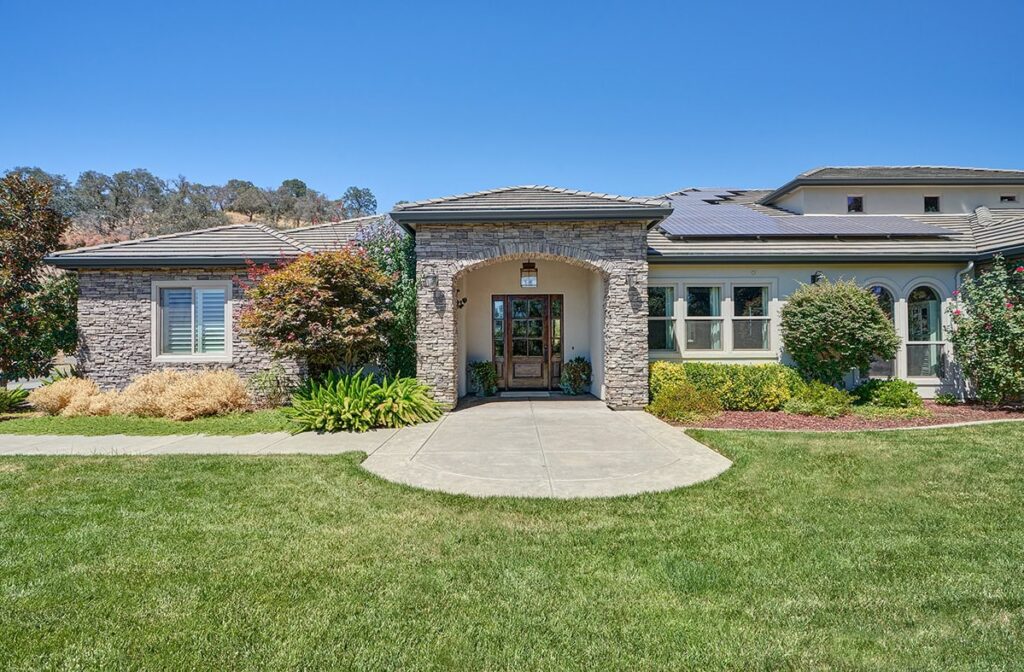
Choosing a women’s drug rehab or drug rehab for women is a personal decision, and it usually happens at a point where the previous approaches have not worked. Whether you are looking for a women’s rehab center in Northern California for yourself, or for rehab for women you love, this page describes how our women only program is set up, what care includes, and what to expect from a first conversation with our admissions team. Addiction treatment for women here means the same clinical team, gender specific setting, and treatment plan built for the individual, not a template applied to everyone. Pathways Recovery provides women only residential addiction treatment in a private, peaceful setting near Roseville and Sacramento. Our women’s residence sits on five private acres in the rural foothills of South Placer County, offering the space, comfort and privacy to step away from everyday pressures and focus fully on recovery. The program combines individualized addiction treatment, trauma informed care, dual diagnosis support and whole person wellness in an intimate, luxury home environment. Women come to Pathways from Roseville, Sacramento, Placer County and communities throughout Northern California for care designed around their individual histories, mental health needs and recovery goals. For women who need medical detoxification before residential treatment, Pathways Recovery also provides medical detox services in Roseville. Detox is recommended when clinically appropriate; it is not a required starting point for every client.
Private Women's Residential Rehab Near Roseville and Sacramento
Pathways Recovery offers a discreet alternative to a large, institutional treatment setting. The women’s program is intentionally small, creating an intimate residential community where clients can become familiar with their treatment team and peers while receiving structured clinical care in a comfortable home environment.
Privacy can matter for every woman entering treatment. It can be especially important for clients balancing careers, family responsibilities, community visibility or concerns about stepping away from daily life. For client privacy and safety, the residence’s street address is not published, our admissions team can provide appropriate location information during the admissions process.
Pathways Recovery operates a women’s residential rehab in a private setting in South Placer County, a short drive from Roseville and Sacramento. Many of the women who admit here are searching specifically for a women’s rehab center near Roseville, a women’s drug rehab in the Sacramento area, or a residential treatment center for women in Northern California. The location is quiet enough to actually rest and close enough that family involvement, when appropriate, is practical.

Luxury Residential Treatment on Five Peaceful Acres
Recovery requires focus, but a clinical program does not have to feel institutional. Pathways Recovery’s women’s residence is a spacious, upscale property on five private acres in the peaceful Placer County foothills. The setting combines the comforts of a well appointed home with the structure and accountability of professional residential addiction treatment.
Private, Comfortable Residential Living
The residence includes thoughtfully designed living spaces, private and semi-private bedroom options, comfortable common areas and room to step away for quiet reflection. Private room availability can change, so prospective clients should confirm current options with admissions.
Pool, Heated Spa and Outdoor Spaces
The five acre property offers outdoor space for relaxation and healthy recreation between scheduled programming. A swimming pool, heated spa, patio areas, gardens and the surrounding rural landscape give clients opportunities to spend time outside when appropriate within the treatment schedule.
The setting supports the treatment experience it does not replace it. Clinical care, recovery skills and individualized treatment remain the focus of the residential program.

Why Choose a Women Only Addiction Treatment Program
Women can experience substance use and recovery differently and may also face treatment barriers or life experiences that are especially important to address in care. The National Institute on Drug Abuse notes sex and gender differences in substance use and treatment, while trauma can also be closely connected with substance use for some people. Safety, trust and individualized care therefore matter.
A women only residential environment can create more space to discuss trauma, relationships, family roles, grief, self esteem, mental health and other deeply personal issues without the dynamics of a mixed gender residence. Treatment should still be individualized to the person rather than based on gender alone.
Trauma Informed and Dual Diagnosis Treatment for Women
Many women entering addiction treatment also live with anxiety, depression, PTSD, grief or other mental health concerns. Treating substance use without recognizing these interconnected needs can leave important parts of recovery unaddressed.
Pathways Recovery uses a trauma informed, dual diagnosis approach that emphasizes safety, respect, collaboration and individualized treatment. Clinical care can address substance use and co-occurring mental health conditions together, helping clients better understand how emotions, experiences, triggers and behavior patterns interact.
Evidence-Based and Holistic Addiction Treatment
Treatment is individualized to each client’s clinical needs. Pathways combines established behavioral therapies, trauma focused care and complementary wellness practices to help women build practical recovery skills and address underlying concerns. The dedicated Treatment Approach page should carry the deeper methodology detail.

CBT, DBT and Brainspotting
Cognitive Behavioral Therapy (CBT) can help clients identify thought and behavior patterns connected to substance use, while Dialectical Behavior Therapy (DBT) builds skills in mindfulness, distress tolerance, emotional regulation and relationships. Brainspotting may be incorporated when clinically appropriate as part of trauma focused treatment.
Individual and Group Therapy
Individual therapy creates space for one on one clinical work, while group therapy gives women opportunities to practice skills, gain perspective and build healthy connection with others in recovery.
Art and Music Therapy
Expressive approaches can complement talk based treatment by giving clients additional ways to explore emotions, self expression and recovery. Pathways incorporates art therapy and music therapy within structured programming when appropriate.
Mindfulness, Yoga, Fitness and Nutrition
Whole person wellness supports the routines women will carry into life after treatment. Pathways incorporates mindfulness, trauma informed yoga, fitness and nutrition as complementary parts of the residential experience rather than substitutes for clinical care.
Addiction Treatment for Professional Women Who Value Privacy
High achievement and addiction can coexist. A successful career, professional reputation, financial stability or demanding schedule does not protect someone from substance use or mental health challenges.
For executives, healthcare professionals, business owners and other women with demanding careers, entering residential treatment may bring additional concerns about confidentiality, reputation, work responsibilities and stepping away from a high pressure role. Pathways offers a private, small scale setting where women can temporarily step away from those pressures and focus on treatment.
You do not have to wait until addiction has affected every area of your life before asking for help. Women seeking more information about career-specific concerns can learn about Pathways Recovery’s addiction treatment for professionals and executives.
What Does a Typical Day in Women's Residential Treatment Look Like?
Residential treatment provides structure while allowing time for rest, reflection and healthy recreation. A typical day may include meals, therapeutic groups, individual sessions, recovery education, mindfulness, yoga or fitness, and time for connection or quiet reflection. When appropriate within the schedule, clients may also enjoy the property’s outdoor areas, pool and heated spa.
Because treatment schedules change based on clinical needs and current programming, prospective clients should review the current women’s weekly schedule or speak with admissions for the most up to date information.
How Long Does Women's Residential Treatment Last?
There is no single treatment length that is right for every woman. Recommendations depend on substance use history, medical and mental health needs, treatment progress, home environment, insurance authorization and the level of support needed for a safe transition out of residential care.
The treatment team develops individualized recommendations and begins continuing-care planning before discharge rather than promising a fixed timeline for everyone.
A Continuum of Care From Detox Through Aftercare
Women who require medical stabilization can begin with medical detox in Roseville before transitioning to the women only residential program. Women who do not require detox can be evaluated for the appropriate starting level of care.
As residential treatment progresses, continuing-care planning may include intensive outpatient treatment in Roseville, individual therapy, recovery meetings, alumni support, sober living recommendations when appropriate and other resources matched to the client’s needs.
Family involvement may also be included when clinically appropriate, with education and support designed to help loved ones understand addiction, recovery, communication and healthy boundaries.
Within the Pathways continuum, residential rehab is the core women’s program at our South Placer County facility, and it functions as a women’s inpatient rehab for adults who need 24 hour structured care. As a women recovery center, Pathways emphasizes gender specific clinical work throughout the stay. Transition planning starts early, not at discharge.
Addictions and Co-Occurring Conditions We Treat
Pathways Recovery provides individualized treatment for women struggling with alcohol and other substance use disorders, including opioid and fentanyl addiction, benzodiazepine addiction, stimulant addiction and prescription medication misuse. Treatment can also address co-occurring mental health concerns such as anxiety, depression, PTSD and bipolar disorder when they are present alongside substance use.
Serving Roseville, Sacramento and Northern California
Pathways Recovery’s women’s residential program is in the peaceful rural foothills of South Placer County near Roseville and Auburn, convenient to the Greater Sacramento region. Pathways serves women and families from Roseville, Sacramento, Rocklin, Granite Bay, Lincoln, Folsom, Auburn and communities throughout Northern California.
The location offers access to the Sacramento region while maintaining the privacy and residential atmosphere many clients prefer during treatment. Our admissions team can answer questions about travel, the residential setting, insurance benefits and next steps.

Why Women Choose Pathways Recovery
- Women only residential addiction treatment near Roseville and Sacramento
- Private, small scale residential environment
- Luxury home on five peaceful acres in the Placer County foothills
- Private and semi-private bedroom options, subject to availability
- Swimming pool, heated spa, outdoor spaces and comfortable common areas
- Individualized treatment planning
- Trauma informed, dual diagnosis care
- CBT, DBT, Brainspotting, individual therapy and group therapy
- Art therapy, music therapy, mindfulness, yoga, fitness and nutrition
- Privacy conscious environment that can appeal to professional women
- Relapse prevention and continuing care planning
- Access to detox, residential treatment, outpatient care and alumni support across the Pathways continuum
Treatment That Respects Life Outside Recovery
Women entering treatment may also be managing careers, families, financial responsibilities, or other commitments. Treatment planning considers these practical concerns alongside clinical needs and recovery goals. Supervised work or technology accommodations may be considered on a case by case basis. For more information about career specific concerns, visit our Professionals page.
For professional women, executives, business owners, physicians, attorneys, and mothers with high responsibility roles, the decision to enter residential rehab often carries an extra layer of concern about privacy, time away, and what treatment might mean for a career or a family. A capable life on the outside does not make what you are living with inside any less real, and it does not make asking for help any less brave. Pathways can discuss general program expectations and how confidentiality is handled. Supervised work or technology accommodations may be considered on a case by case basis, and access is not automatic. Questions about leave, disability benefits, employment protections, professional licensing, or legal obligations are best directed to your employer, benefits administrator, attorney, licensing body, or other qualified adviser.
Frequently Asked Questions About Women's Rehab
Women’s treatment can address biological, emotional and social factors that may affect substance use and recovery while creating a gender specific environment for discussing trauma, relationships, family roles, self esteem and other personal concerns. Treatment should still be individualized to the person rather than based on gender alone.
Yes. The women’s residential program is in the peaceful rural foothills of South Placer County near Roseville and Auburn and is convenient to the Greater Sacramento area.
Yes. Pathways provides residential care in a spacious, upscale home on five private acres. The emphasis is on comfort, privacy and a peaceful environment that supports professional clinical treatment rather than replacing it.
Yes. For client privacy and safety, the residential street address is not published. The admissions team can provide appropriate location information during the admissions process.
Private rooms may be available, along with semi-private accommodations. Room availability can change, so prospective clients should ask admissions about current options.
The women’s property includes five private acres, comfortable residential living spaces, outdoor areas, a swimming pool and a heated spa. Wellness programming may also include fitness, yoga and mindfulness as part of the treatment schedule.
The program may be appropriate for professional women who need residential addiction treatment and value a private, comfortable, small scale environment. Pathways also has a dedicated Professionals page for career specific concerns.
Trauma-informed treatment recognizes that past experiences can affect emotional regulation, mental health, relationships and substance use. Care emphasizes safety, trust, collaboration and empowerment while helping each client work at a clinically appropriate pace.
Brainspotting is a trauma focused therapeutic approach that may be incorporated when clinically appropriate. At Pathways, it is used within an individualized treatment plan rather than as a stand alone substitute for comprehensive addiction care.
Pathways provides dual diagnosis care for women who have substance use disorders alongside conditions such as anxiety, depression, PTSD or bipolar disorder. Treatment planning considers both substance use and co-occurring mental health needs.
No. Detox is recommended when clinically appropriate based on substance use, medical history and withdrawal risk. Women who need detox can be evaluated for Pathways’ medical detox program in Roseville before residential treatment.
Length of stay varies according to clinical needs, progress, insurance authorization and recovery goals. The treatment team develops individualized recommendations and begins continuing-care planning before discharge.
Pathways works with many commercial insurance plans. Benefits and authorization vary by policy, so the best first step is to verify insurance with the admissions team.
Take the Next Step
You do not need to have everything figured out before reaching out. If you are looking for a private women’s addiction treatment program near Roseville or Sacramento, our admissions team can answer your questions, discuss your situation, verify insurance benefits and help you understand what treatment could look like. Private setting. Personalized treatment. A place to focus on what comes next.